
March 10, 2026
Control the Controls: Preventing Compliance Drift
NERC audits test more than completed tasks — they test whether controls remain durable through change. This four-part series examines how compliance programs drift, what auditors actually evaluate, and why structured review and disciplined change management are the backbone of sustainable audit readiness.
Part 1 of a 4-part series
What Is The Vulnerability Disclosure to Exploit Timeframe
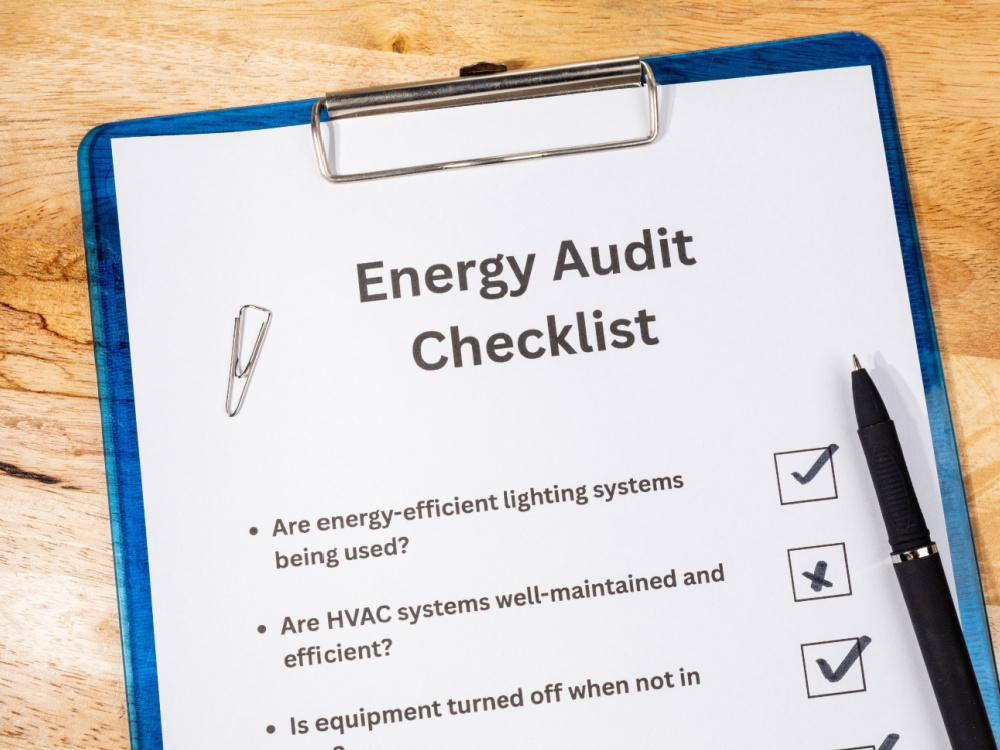
If NERC compliance were as simple as completing a checklist, many capable and hardworking teams would sleep easier during audit season. Requirements would be mapped, tasks assigned, evidence stored, and status tracked to completion.
That structure is useful. In a complex regulatory environment, checklists help coordinate effort and ensure obligations are not overlooked.
The difficulty is that audits do not simply test whether something was completed. They test whether a control operates consistently over time.
What is the Importance of a Checklist
A checklist can confirm that a policy exists. It can confirm that a review occurred on a specific date. What it cannot prove on its own is whether the policy is understood, applied consistently across teams, or revisited when systems and roles change. It cannot explain why a control was designed the way it was, or how it evolved as the organization evolved.
Yet those are precisely the areas auditors explore.
Many audit findings do not stem from missing documents. They stem from missing context. A screenshot captures a moment. A stored record shows that an action occurred. Neither demonstrates that a process is stable, repeatable, and resilient.
When evidence is disconnected from the process that produces it, it becomes fragile under questioning.
Compliance rarely fails in dramatic fashion. More often, it shifts gradually. Someone changes roles. A system is upgraded. A workaround becomes routine. The checklist is still completed, but the control behind it slowly adapts without formal review. Nothing appears broken. Until an audit surfaces the gap between intent and practice.
How to Build Compliance Maturity
Strong programs recognize this dynamic. They treat compliance less like a to-do list and more like an operating system. Controls are defined with clear ownership. Context is captured alongside evidence. History is preserved so that decisions are not dependent on institutional memory. Changes are evaluated intentionally rather than absorbed informally.
This is where maturity becomes visible. Teams can explain not only what was done, but also how it works and why it was structured that way. Evidence is tied to process. Ownership is clear. Variation is understood rather than accidental.
Checklists remain valuable. They coordinate work and track obligations. But they are inputs to a control framework, not proof of its strength.
The programs that perform best in audit are rarely those with the longest lists. They are the ones with the clearest structure behind the lists. They understand that durability does not happen automatically. It is designed.
That realization leads to a more important question: if audits test durability, what keeps controls durable over time?
Designing Compliance Structure to Support Compliance
Answering that question requires looking beyond tasks and into the structure, ownership, and evolution of the controls themselves. It requires examining how auditors evaluate consistency, how programs drift during change, and how disciplined change management reinforces defensibility.
And those are the rabbit holes we will go down as we talk more in this series.
For more information about building solid foundation with internal controls, read this article "Internal Controls for More Than Just Compliance".
About the Author
Scott Crow is the Senior Business Systems Strategist – Energy & Utilities at AssurX, where he drives strategic innovation and technological transformation across the critical infrastructure landscape. With extensive experience in delivering IT/OT solutions, Scott specializes in tackling the most pressing cybersecurity and compliance challenges for the energy and utilities sector. His expertise lies in aligning technology with business objectives, seamlessly integrating people, process, and technology to develop solutions that optimize operational performance while safeguarding critical systems.