
February 11, 2026
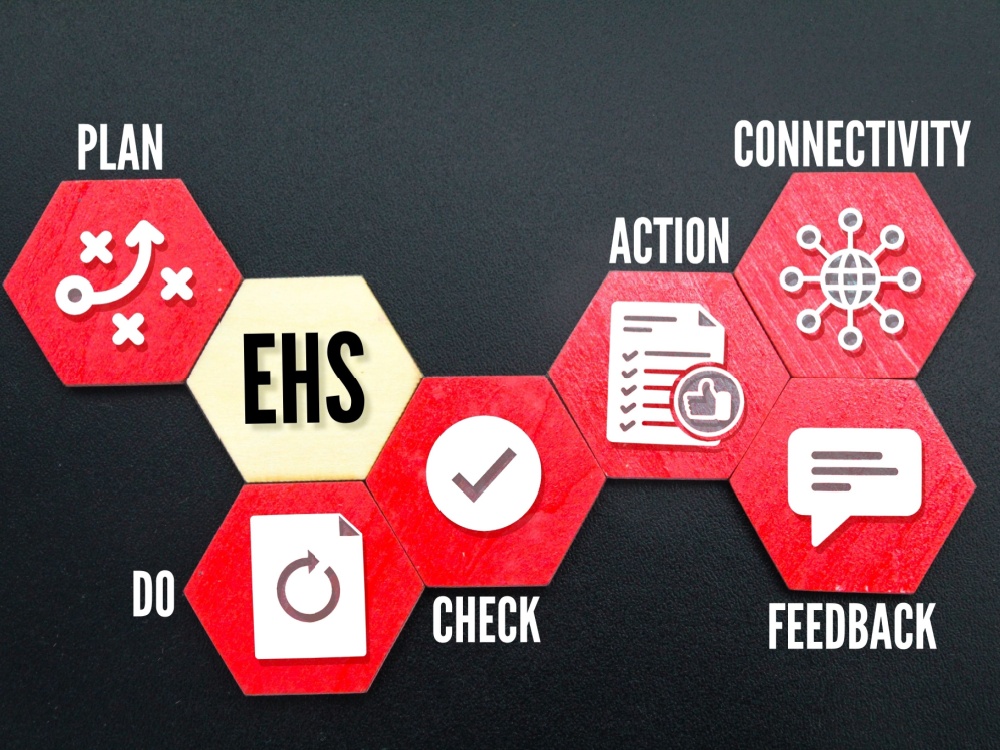
In today’s manufacturing landscape, integrating EHS (Environmental, Health, and Safety) with quality management is no longer optional; it’s essential for achieving operational excellence, ensuring ISO compliance, and driving sustainable growth. Traditionally, EHS management and quality management systems (QMS) operated in silos, but modern organizations are shifting toward integrated EHSQ platforms to streamline processes, reduce risks, and improve efficiency.
Why Integrate EHS and Quality Management?
Historically, quality management emerged from post-WWII global competition, focusing on product standards and customer satisfaction. In contrast, EHS management developed from labor movements and responses to major environmental and safety incidents.
Today, manufacturers are breaking down these silos by placing EHS and quality under unified leadership or adopting integrated EHSQ systems. This integration recognizes that safety and quality are interconnected drivers of performance.
Quality and Safety: Interconnected Pillars of Operational Excellence
Many experts view safety as an integral part of quality. A careless approach to safety protocols often correlates with lapses in quality standards, and vice versa. Employees who feel safe produce higher-quality work, while a genuine commitment to quality extends to workplace well-being, environmental responsibility, and social impacts.
Integrating EHS and quality management fosters a culture where both areas support each other, leading to better products, fewer incidents, and stronger overall performance.
The ISO Standards Perspective: Compliance Made Easier
ISO 9001 (Quality Management) requires adherence to all applicable regulations, including EHS requirements. While it doesn’t explicitly address safety, audits often scrutinize safety systems, such as incident management or OSHA records. Standards like ISO 14001 (Environmental Management) and ISO 45001 (Occupational Health and Safety) share a common high-level structure (Annex SL), making integration straightforward. An integrated management system covering ISO 9001, ISO 14001, and ISO 45001 reduces redundancies, simplifies audits, and ensures comprehensive compliance.
Benefits of Integrating EHS and Quality Management Systems
Moving from separate tools to an integrated EHSQ platform eliminates inconsistencies, redundancies, and limited visibility. Key advantages include:
- Streamlined ISO certification and audits: Quick access to documents across ISO 9001, ISO 14001, and ISO 45001 in one system.
- Enhanced visibility: Real-time plant and corporate-level reporting on compliance, risks, and performance.
- Improved efficiency: Shared tools for common processes like audits, training, and corrective actions.
- Reduced costs and IT complexity: Fewer software solutions mean lower overhead and maintenance.
- Better risk mitigation: Robust data tracking, trending, and closed-loop issue management to proactively address quality and safety risks.
An EHSQ system promotes collaboration, breaks down silos, and supports holistic operational excellence.
How AssurX EHSQ Solution Delivers Safety and Improvement
To maximize the benefits of integrating EHS and quality, AssurX offers a configurable cloud-based EHSQ platform that supports unique processes without forcing changes.
Essential features include:
Document management
Centralize safety policies, SOPs, work instructions, and quality documents. Link updates to employee training for automatic compliance.
Employee training tracking
Maintain auditable records in one place to speed up external reviews and ensure training on process changes.
Audit management
Standardize checklists incorporating safety and quality items, reducing gaps and redundancies across ISO standards.
Corrective and preventive actions (CAPA)
Closed-loop system for investigating, assigning, and tracking quality and safety issues with full records.
Integration with related processes
Connect to change control, risk management, and other quality tools.
High configurability
Custom workflows that align with your existing processes to boost user adoption and efficiency.
Without flexibility, adoption suffers, wasting the investment in EHSQ software. AssuX provides continuous safety and compliance improvement.
Embrace Integrated EHSQ for Long-Term Success
Integrating EHS and quality management goes beyond surface-level changes like shared leadership, true value comes from a unified EHSQ platform. This approach enables centralized tracking of quality and safety, streamlined compliance with ISO standards, reduced risks, and greater visibility into operational performance.
For manufacturers aiming to enhance efficiency, meet regulatory demands, and foster a culture of excellence, adopting an integrated EHSQ management system is a strategic imperative. Start evaluating solutions today to unlock these benefits and position your organization for sustained succes
Watch this on-demand webinar “Management of Change (MOC) for EHS: Preventing Incidents Before They Exist“
About the Author
Stephanie Ojeda is Vice President of Product Management for the Life Sciences industry at AssurX. Stephanie brings more than 18 years of leading quality assurance functions in a variety of industries, including pharmaceutical, biotech, medical device, food & beverage, and manufacturing.